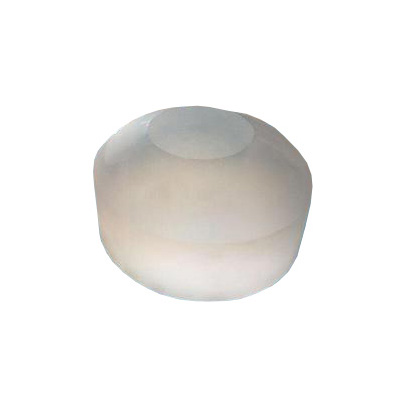
Description
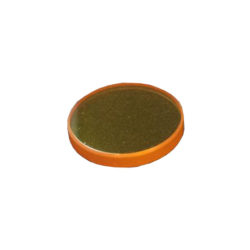
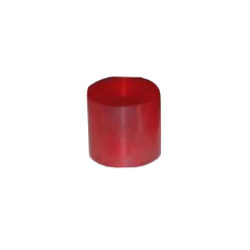
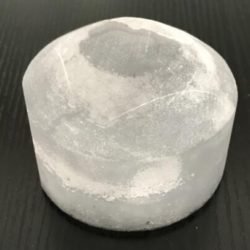
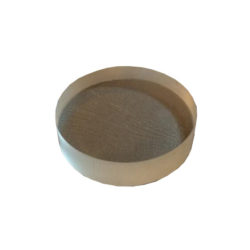
CaF2 Infrared Crystal from X-Z LAB transmits light from 0.15 um all the way to 9 um. This calcium fluoride crystal covers ultraviolet, visible, and infrared bands in a single material. As a result, it is a practical choice for broadband windows, lenses, and prisms.
Why choose CaF2 Infrared Crystal
It has a low refractive index, so Fresnel losses stay small even without an anti-reflection coating. For this reason, CaF2 commonly serves as a window material for both infrared and ultraviolet wavelengths in its uncoated form.
CaF2 Infrared Crystal handling: moisture and heat limits
Calcium fluoride is slightly soluble in water, so keep finished optics dry during storage and handling. It is also sensitive to thermal shock, so avoid sudden temperature swings. Note the temperature limits: in atmospheric moisture the material begins to degrade at 600 C, while the maximum service temperature reaches 800 C in dry conditions. Finally, irradiation of calcium fluoride windows can cause some loss in UV transmission over time.
Typical applications
You will find this crystal in optical prisms, lenses, and windows for UV-to-infrared systems. It serves thermal imaging cameras, Fourier-analysis instruments, and general testing instruments. In addition, it works in astronomical telescopes, MIR/NIR imaging setups, microlithography tools, and excimer lasers.
Selecting CaF2 optics
First, match the transmission band: 0.15 to 9 um covers deep-UV through long-wave infrared in one optic. Next, choose the form — window, prism, or lens — and the clear aperture your system needs. Finally, design the thermal environment around the limits above. With dry handling and gentle temperature ramps, CaF2 optics serve reliably for years. Coated or uncoated, both work, since the low index keeps uncoated losses small.
Tell us your wavelength band and geometry, and we will recommend the right CaF2 blank. For a neighboring fluoride option, see also our MgF2 Infrared Crystal. Request a quote to start.